Two apparently unrelated announcements point at the same thing: the documentary bar is rising. One is a product passing an international test clause; the other is a class society turning real casualties into an actionable technical notice. Anyone working on turbine or vessel protection should have both in the project file.
IEC 61400-24 Edition 2: high-current conducted current test passed
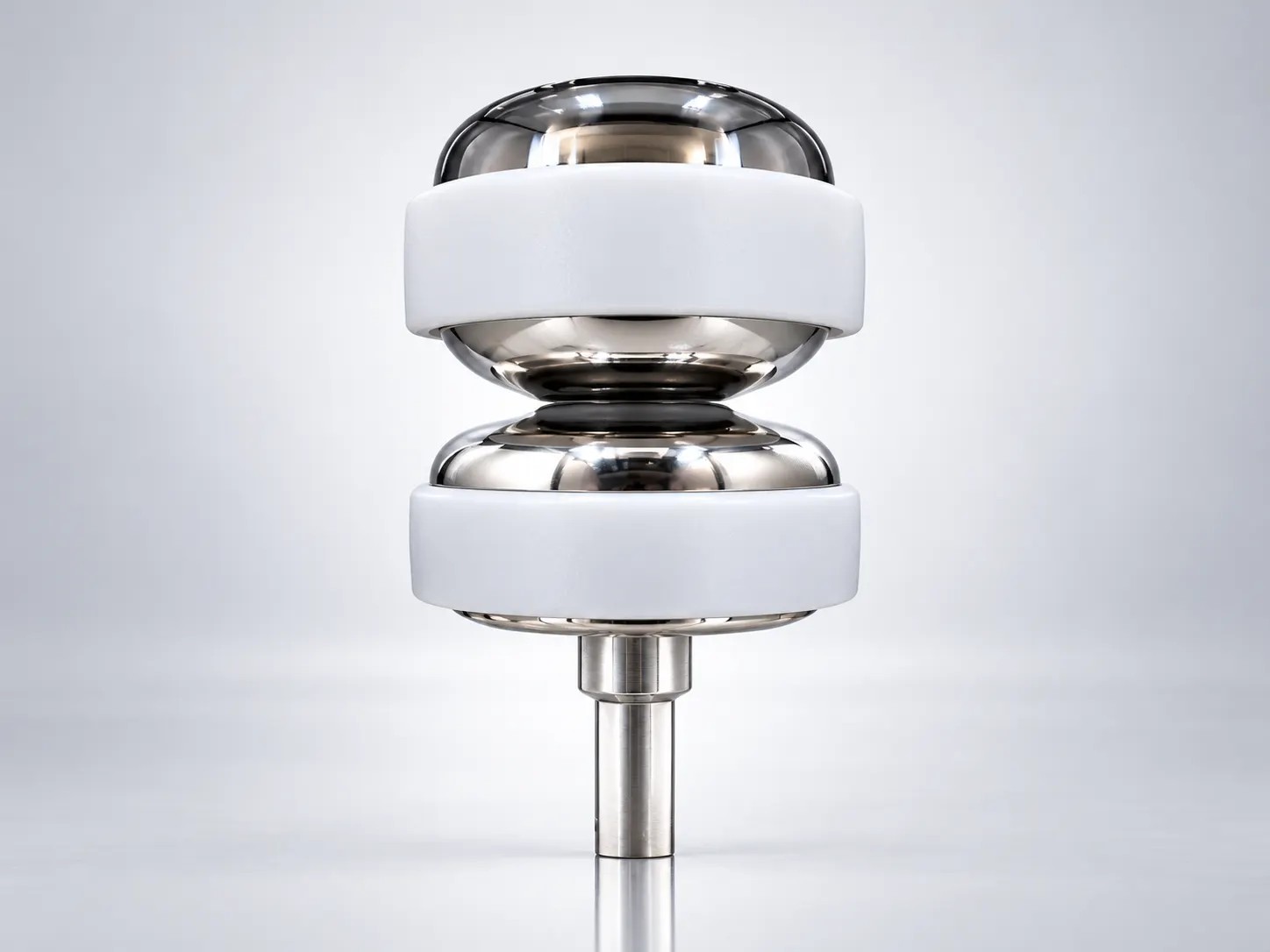
The CMCE TWIN MAX multiple electric field compensator for wind turbine lightning protection has passed the High-current Conducted Current Test specified in IEC 61400-24 Edition 2 at the Polytech lightning laboratory in Denmark.
What the test examines is whether lightning current flowing through the device and its conductive path will damage structure or components, and whether it produces dangerous voltage rise. It is one of the closest laboratory approximations to a real strike, and one of the evidence types most often requested by designers and turbine OEMs during selection.
Taken with this year's first onshore turbine and the 6.5 MW offshore unit, a complete evidence chain is taking shape: laboratory testing, independent engineering certification, and field operating data. They are complementary — the test shows it withstands the current, the certificate shows the process is sound, and the operating record shows it holds up over time.
CCS Technical Notice No. 660: strikes on vessels near the equator
The China Classification Society's Technical Notice No. 660 flags a specific pattern: several reports of vessels struck by lightning while operating near the equator. The instantaneous high-current discharge destroyed antenna installations for communication and navigation equipment and then broke down or damaged the equipment itself, taking out communications and affecting safe navigation.
The wording is worth noticing — it does not describe a possible risk but an event chain that has already occurred: antenna hit, equipment damaged, communication and navigation degraded. In those waters, protection is not optional; it is the precondition for the navigation and communication fit to remain available.
Practical steps for owners and yards
- Treat the antenna and mast area as the priority. Mounting bases, feeders and equipment ports for VHF, AIS, radar and satcom are the most direct entry paths for strike energy.
- Bond and earth as one system. Mast, superstructure, equipment casings and the sea earth must sit on one network so no potential difference develops during a strike.
- Coordinate port protection in stages. Fit surge protective devices separately at feeder, power and signal ports, and check insertion loss in the operating band.
- Keep records. Mounting positions, acceptance measurements and in-service monitoring belong in one file for claims and technical analysis after an event.
Selection and installation detail for vessels is covered in choosing a marine system; earthing practice in earthing and bonding.
When you need documentation
We can supply test and certification documents for the TWIN MAX and related models to support submittals by turbine OEMs, yards and design institutes, and provide layout and protection-radius calculations against project conditions. Submit your requirement here or write to sales@malinsmarine.com.
Source: public reports on the Futurewa news centre (futurewa.com) and CCS technical notices. This page is a rewritten summary for technical reference; test and certification details are governed by the official documents.